How to Join the US Military: Benefits, Pay & Requirements in 2026
Deciding to join the military is one of the most life-changing career decisions a person can make — and one of the most rewarding.
Advertising
The U.S. Armed Forces offer competitive pay, full benefits, signing bonuses, and free education programs that civilian jobs rarely match.
This guide covers everything you need to know to get started in 2026 — from basic requirements to contacting a recruiter.
📌 Related Articles
- Western Governors University — tuition benefits for military-connected students
- Education assistance programs available to adults and veterans
- Free technical training courses valued in military and civilian careers
- Free career training programs with recognized certification outcomes
- Online degree programs for career advancement and transition

Why People Join the Military: More Than a Career Choice
People choose to join the military for a wide range of motivations — and the reality of service in 2026 offers benefits that go far beyond a steady paycheck. Understanding what the military truly provides helps you determine whether it aligns with your personal and professional goals.
The most commonly cited reasons for enlisting include:
- Financial stability from day one: Military service members receive regular pay, free housing or a housing allowance, free meals or a food allowance, comprehensive healthcare at no cost, and life insurance — a total compensation package that consistently outperforms entry-level civilian jobs.
- Free college education: The Post-9/11 GI Bill covers full tuition and fees at in-state public universities, plus a monthly housing stipend and book allowance, for eligible veterans and active-duty members. Some active-duty programs also offer Tuition Assistance of up to $4,500 per year while serving.
- Career skills and certifications: Military service provides hands-on training in fields including cybersecurity, logistics, aviation, engineering, intelligence, healthcare, and leadership — skills that translate directly into high-paying civilian careers. Many military occupational specialties (MOS) lead to certifications recognized in the civilian workforce.
- Retirement security: The Blended Retirement System (BRS) provides military pension benefits after 20 years of service, plus TSP (Thrift Savings Plan) matching contributions beginning from day one — a benefit structure rarely matched in the private sector.
- Travel and global experience: Active duty service often involves assignments at bases across the United States and internationally, providing geographic and cultural experience valued in global business and government careers.
- Community and purpose: Many veterans consistently cite the sense of mission, brotherhood, and service as the most lasting and meaningful aspect of their military experience.
📊 By the Numbers: As of 2024, the U.S. military employs approximately 1.3 million active-duty personnel and 800,000 Reserve and National Guard members, making it one of the largest employers in the United States. Annual military spending on personnel compensation, benefits, and education exceeds $250 billion.
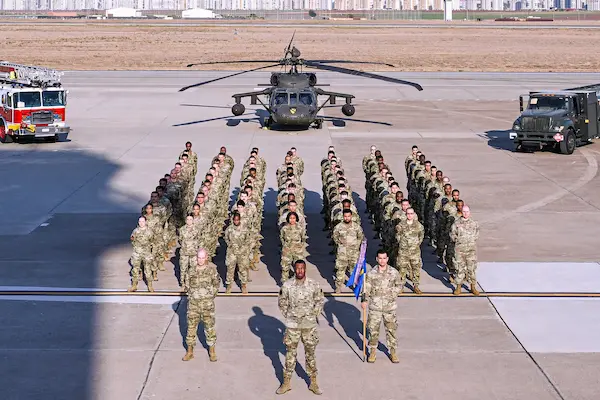
The 6 Military Branches: Overview and Differences
The United States military has six official branches, each with a distinct mission, culture, and set of career opportunities. Understanding the differences helps you target the right branch for your goals before speaking with a recruiter.
| Branch | Primary Mission | Best Known For |
|---|---|---|
| Army | Land-based combat and operations | Largest branch; widest variety of MOS options |
| Navy | Sea and undersea operations; power projection | Global deployment; aviation and nuclear programs |
| Air Force | Air and aerospace operations | Technology-focused; highest ASVAB score requirements |
| Marine Corps | Rapid deployment; amphibious assault | Physically demanding; elite reputation; joint ops with Navy |
| Coast Guard | Maritime law enforcement; search and rescue | Operates under DHS in peacetime; domestic focus |
| Space Force | Space operations and satellite systems | Newest branch (est. 2019); technology and intelligence focus |
Each branch has its own enlistment process, physical fitness standards, occupational specialty options, and deployment patterns. If you are unsure which branch fits best, consulting with recruiters from two or three branches and comparing the specific job opportunities offered in your enlistment contract is strongly recommended before signing.
Basic Requirements to Enlist in the US Military
While specific requirements vary slightly by branch and the type of commission (enlisted vs. officer), the following are the standard enlistment requirements across all branches of the U.S. Armed Forces:
- Age: Must be at least 17 years old (with parental consent) and no older than 42 years old for most branches. Age limits vary: Army maximum is 35, Navy 41, Air Force 42, Marine Corps 34, Coast Guard 40, Space Force 39. Prior military service can affect maximum age eligibility.
- Citizenship: Must be a U.S. citizen or a lawful permanent resident (green card holder). Non-citizens in certain military occupational specialties may face additional restrictions related to security clearances.
- Education: A high school diploma or GED is required. Some branches have a higher percentage cap on GED holders vs. diploma holders per enlistment cohort. A college degree enables you to enter as an officer rather than as enlisted.
- ASVAB Score: The Armed Services Vocational Aptitude Battery (ASVAB) is a qualifying exam required for all enlistees. Minimum required AFQT scores vary by branch (Army minimum: 31; Air Force minimum: 36; Navy minimum: 35; Marine Corps minimum: 32).
- Physical fitness: Must meet the branch’s specific physical fitness standards at accession. A full medical examination (MEPS — Military Entrance Processing Station) is required for all enlistees.
- Moral character: Background checks and review of criminal history are standard. Certain felony convictions may disqualify applicants; waivers are available on a case-by-case basis for some offenses.
⚠️ ASVAB Tip: Your ASVAB score not only determines eligibility but also which job specialties (MOS/AFSC/NEC) you qualify for. Scoring higher opens access to more desirable, higher-paying, and more career-transferable technical positions. Free ASVAB practice materials are available at officialasvab.com.
Military Pay, Benefits, and Signing Bonuses in 2026
Military compensation is structured differently from civilian pay — and understanding the full picture reveals that total compensation is significantly higher than base salary alone suggests.
Base pay scales (2025 rates — adjusted annually):
- E-1 (Private / Seaman Recruit / Airman Basic): $1,917.60/month base pay in first four months; $2,091.30/month thereafter.
- E-3 (Private First Class / Lance Corporal / Airman First Class): Approximately $2,259.90–$2,547.60/month depending on years of service.
- E-5 (Sergeant / Petty Officer 2nd Class): Approximately $2,849.40–$4,046.40/month depending on years of service.
- Officer (O-1 to O-3): $3,637.80 to $6,000+ per month base pay, depending on grade and experience.
Additional benefits included in your total compensation package:
- Basic Allowance for Housing (BAH) — tax-free allowance covering the cost of on or off-post housing in your duty station’s local market
- Basic Allowance for Subsistence (BAS) — monthly food allowance
- Tricare health insurance — comprehensive coverage for service member and family at no or very low cost
- 30 days paid vacation annually
- Tuition Assistance while serving and Post-9/11 GI Bill for education after service
- Signing bonuses ranging from $2,000 to $50,000+ for critical shortage specialties
For veterans transitioning to civilian careers, military training and experience can also significantly accelerate entry into accredited academic degree programs through prior learning credit assessments — reducing the time and cost to earn a degree after service.
How to Contact a Recruiter and Start the Enlistment Process
- Identify your branch of interest. Review the branch overview above and consider which mission and career options align with your goals. You can speak with recruiters from multiple branches before committing.
- Find your local recruiter. Each branch maintains a recruiter locator tool on its official website. The Army uses goarmy.com, the Navy uses navy.com, the Air Force uses airforce.com, the Marine Corps uses marines.com, the Coast Guard uses gocoastguard.com, and the Space Force uses spaceforce.com.
- Schedule an initial meeting. Your first meeting with a recruiter is informational — no commitment is required. Bring your ID, high school diploma or transcripts, and any prior work or training history. Ask specific questions about job guarantees in your enlistment contract.
- Take a practice ASVAB. Before your official test, use free practice resources to prepare. Your ASVAB score determines your job options — scoring well expands your choices significantly.
- Complete MEPS processing. The Military Entrance Processing Station conducts your full medical examination, official ASVAB, background screening, and job selection. This is the formal qualifying step before enlistment.
- Sign your enlistment contract. Your contract specifies your branch, enlistment term length, job specialty (MOS/AFSC/NEC), and any signing bonuses negotiated. Read all terms carefully before signing. You have the right to request specific job guarantees in writing.
Frequently Asked Questions About Joining the US Military
Am I too old to join the military?
Age maximums vary by branch: Army is 35, Navy 41, Air Force 42, Marine Corps 34, Coast Guard 40, and Space Force 39. Prior military service can add years to your maximum age in some cases. If you are within range, speak with a recruiter — exceptions and waivers may be available depending on your specialty and branch needs.
Can I join the military with a criminal record?
Minor offenses do not automatically disqualify you, and many situations can be resolved through a waiver process. However, felony convictions, dishonorable discharges from prior service, and certain categories of offenses can disqualify applicants. The specific policy varies by branch. Always be truthful with your recruiter — concealing criminal history is a serious violation with significant legal consequences.
What happens to my family if I enlist?
Married service members and those with dependent children receive family-based BAH (housing allowance), Tricare health coverage for spouse and children, access to on-base schools and childcare facilities, and family support services. Many installations also offer employment assistance programs for military spouses. Your family’s wellbeing is explicitly supported within the military compensation system.
Can I choose my job before enlisting?
Yes, in most cases. Your ASVAB scores and the needs of the branch at the time of enlistment determine which MOS or ratings are available to you. You can and should negotiate for a guaranteed job specialty to be written into your enlistment contract before signing. Never enlist “open contract” — which means the branch assigns you a job — unless you are fully comfortable with any assignment.
Does the military pay for college?
Yes — through multiple programs. Active-duty Tuition Assistance pays up to $4,500/year for college coursework while serving. The Post-9/11 GI Bill (Chapter 33) covers full in-state tuition at public universities plus a housing stipend and $1,000 book allowance for eligible veterans. The Montgomery GI Bill and other programs provide additional options. Military education benefits remain one of the most generous college funding packages available to any group of Americans. See also our guide to using education benefits as an adult learner.
⚠️ Editorial Notice: This content is independent and has no affiliation with the U.S. Department of Defense, any military branch, or the federal government. Pay figures reflect official 2025 military pay tables. Enlistment requirements, signing bonuses, and program availability change regularly — always verify current details directly through your branch’s official website or a local recruiter before making any decision.
📚 Read Also
- 🏫 WGU — education options for military-connected students
- 🎓 Using VA and GI Bill benefits for an online degree
- ⚡ Free technical certifications valued in military and defense careers
- 🔬 Free career training with real job placement outcomes
- 💼 Online MBA options for career advancement after service
Military service is a career path with unmatched training, benefits, and long-term opportunities. For more career guides, education programs, and professional development resources, explore our Career section.