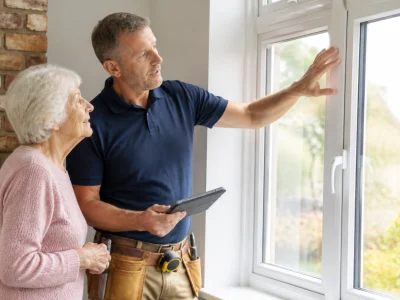
The energy efficient windows tax credit expired for installations after December 31, 2025. Learn what rebates still exist and explore free options through weatherization programs.
Many ads still mention a federal tax credit for energy efficient windows, but the rules have changed. It’s crucial to understand what is true and current. Here, we clarify the facts about the energy efficient windows tax credit and what options remain available.
Is there still an energy efficient windows tax credit?
No, there is no tax credit for windows installed after December 31, 2025. The IRS states that the credit will not be allowed for any property placed in service after this date. Previously, the energy efficient windows tax credit covered 30 percent of the product cost, up to $600 for windows and skylights, with a $1,200 annual cap. This was only applicable for windows that met the ENERGY STAR Most Efficient criteria. The tax credit was part of a broader initiative encouraging energy efficiency in homes, which aimed to reduce carbon footprints by promoting the use of high-performance building components.
For homeowners, this credit was a significant incentive to upgrade their windows, often reducing the initial financial barrier to switching to more efficient models. Over the years, millions of homeowners benefited from this program, which not only helped in lowering utility bills but also in increasing the overall home value. Although the federal credit is now unavailable, understanding its previous impact can guide decisions on future home improvements.
What you can still claim
Windows installed on or before December 31, 2025, can still be claimed on the tax return for that year using Form 5695. It’s essential to keep all receipts and the manufacturer’s qualified product identification number as proof. Consulting with a tax preparer is advisable to ensure all documentation is correctly filled out and submitted. In addition to federal forms, some states may have their own documentation requirements, so it’s worth checking local regulations. Proper documentation not only ensures compliance but also maximizes the chances of receiving any eligible refunds or credits.
Additionally, understanding how to leverage these credits can lead to better financial planning. For instance, if your household’s energy bills average $200 per month, upgrading your windows could potentially save you up to $24 each month, or $288 annually. Over time, these savings can significantly offset the initial investment cost of new windows.
Rebates that still exist
Rebates vary depending on the region and can change frequently. It’s best to contact your local utility provider to find the most accurate and up-to-date information. Manufacturer or dealer promotions may also offer additional savings. These rebates are particularly beneficial in states where energy costs are higher, providing a financial cushion to those investing in energy-efficient upgrades.
Consider a scenario where you replace 10 windows in your home. With a rebate of $90 per window from Avista, you could save $900, significantly reducing the out-of-pocket expenses. Such programs not only encourage energy efficiency but also stimulate local economies by increasing demand for installation services and energy-efficient products.
The free route: the Weatherization Assistance Program
The Weatherization Assistance Program offers free services for those with an income at or below 200% of the federal poverty level or those receiving SSI. Priority is given to individuals over 60, persons with disabilities, and families with children. The Department of Energy reports average savings of over $372 per year. Services include sealing air leaks, adding weatherstripping, and replacing broken glass. Full window replacements occur only when an energy audit justifies it. Applications are processed through your state’s weatherization administrator. This program not only reduces energy costs but also enhances home comfort and safety, especially important in regions with extreme weather conditions.
For example, in colder areas, proper weatherization can prevent issues such as frozen pipes or heat loss, leading to a more comfortable living environment and reducing the need for supplemental heating sources. By targeting low-income households, the program ensures that those who might struggle to afford energy upgrades can still benefit from improved efficiency and reduced utility bills.
Specific benefits of energy efficient windows
- Potential savings of up to 13% on energy bills with ENERGY STAR windows.
- Rebates available from programs like Avista and Rocky Mountain Power.
- Weatherization programs may offer free window replacements for eligible households.
- ENERGY STAR windows improve comfort by reducing drafts and hot spots.
- Reduced environmental impact by decreasing energy consumption.
How to make new windows pay for themselves without a credit
Installing ENERGY STAR windows can lower energy bills by up to 13% nationwide when replacing single-pane glass. Select windows with the appropriate U-factor for your climate zone. Consider replacing multiple windows at once for better efficiency. Obtain at least three quotes to ensure competitive pricing, and read any deferred-interest financing offers carefully. By investing in high-efficiency windows, homeowners can see a return on investment through reduced heating and cooling costs.
For instance, in a region with a longer heating season, replacing outdated windows could lower annual heating costs by an estimated 10%. Over the course of five years, these savings could accumulate to cover the initial expense of window installation. Furthermore, the enhanced insulation provided by ENERGY STAR windows contributes to a more consistent indoor temperature, reducing strain on heating and cooling systems and extending their lifespan.
Additional considerations for window installation
When planning to install new windows, it’s essential to consider both aesthetic and functional factors. The style and design of windows can significantly influence your home’s curb appeal and market value. Opting for designs that complement your home’s architecture can enhance its overall attractiveness and potentially increase its resale value. Additionally, consider features such as noise reduction, UV protection, and ease of maintenance, which can further enhance the comfort and longevity of your windows.
It’s also advisable to check the credentials and reviews of installation contractors to ensure quality workmanship. Proper installation is crucial for maximizing the efficiency and durability of energy-efficient windows. In some cases, certified contractors may offer warranties that provide additional peace of mind and protection against potential defects or issues post-installation. By carefully evaluating these aspects, homeowners can ensure a successful window upgrade that balances performance, aesthetics, and cost-effectiveness.
FAQ
Is there a window tax credit this year?
No, there is no federal tax credit for windows installed after December 31, 2025.
Can I claim windows I installed in 2025?
Yes, you can claim windows installed in 2025 on your tax return using Form 5695.
What replaced the 25C credit?
No direct replacement exists for the 25C credit for windows installed after 2025.
Do ENERGY STAR windows still get rebates?
Yes, many utilities offer rebates for ENERGY STAR windows. Check with local providers.
Does the Weatherization Assistance Program replace windows?
Yes, but only when energy audits show it’s necessary for energy efficiency.
Related guides on CDIN
Explore more about home improvement subsidies and assistance: Government home repair grants: what is real and how to apply for them.
Dúvidas Frequentes
No, the federal tax credit expired for windows installed after December 31, 2025, as per IRS regulations.
Yes, you can claim them on your 2025 tax return using Form 5695. Keep your receipts and product identification number.
The 25C credit was replaced by rebates from utilities and manufacturers. Check local programs for available offers.
Yes, many utility companies and manufacturers offer rebates on ENERGY STAR windows. Check specific programs for details.
Yes, but full window replacement is only done when justified by an energy audit. Apply through your state administrator.
Conclusion
Understanding the current landscape of energy efficient window incentives can help you plan your home improvements wisely. While the federal tax credit has ended, rebates and free programs can offer substantial savings. With careful planning and consideration of available options, homeowners can significantly reduce their energy costs and improve home comfort. CDIN is independent and advertising-supported. We are not a government agency or tax advisor. Always confirm tax rules with a professional.