Window replacement costs $300 to $2,500 per window, and this guide shows the real average today.
You will see the price by material, by home size, and four real programs that help you pay less.
Keep reading to find out if you qualify for free help before you pay full price.
How much does window replacement cost
A single window costs $300 to $2,500 installed, and a whole house project averages $7,348, according to Angi’s cost guide updated in August. HomeAdvisor’s guide, updated in June, reports the same national average.
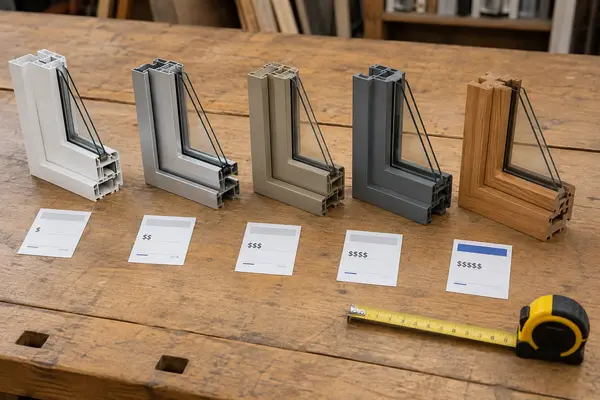
| Frame material | Average installed |
|---|---|
| Aluminum | $450 ($75 to $400 range) |
| Vinyl | $550 ($100 to $900 range) |
| Composite | $900 ($300 to $1,200 range) |
| Fiberglass | $1,100 ($500 to $1,500 range) |
| Wood | $1,250 ($150 to $1,300 range) |
Ranges come from Angi, averages from HomeAdvisor. Labor runs $100 to $300 per window, about two to four hours of work, according to Family Handyman. Style adds to the price too: a single hung window averages $400 installed, a double hung averages $700, a casement averages $900, and a picture window averages $900. Bay windows average $2,500 and sometimes reach $7,100, while bow windows average $2,500 and can climb to $6,500.
Full service brands cost more than local vinyl installers. Third party estimates from Today’s Homeowner put Renewal by Andersen, a registered trademark of Andersen Corporation, at roughly $1,200 to $3,000 per installed window for its Fibrex composite windows. CDIN has no affiliation with the company; treat that range as one comparison point, not a recommendation.
If a whole house project feels out of reach, the next section shows what changes when you have the real numbers instead of a single scary quote.
See if you qualify for free weatherization
What a $7,348 project means on a fixed income
A full house average of $7,348 changes meaning fast when your income is under $28,000 a year.

Take Donna, 58, who lives alone in the house she has owned for decades. Her twelve original windows stick, let in cold air, and her heating bill keeps climbing. A whole house quote of $7,348 sounds impossible on her budget, so she almost closes the tab.
Then she learns the numbers work differently window by window. Repairing one costs $175 to $600, according to Angi, while replacing one runs $282 to $1,500. She starts with the two worst windows instead of all twelve. She also learns that ENERGY STAR certified windows can cut energy bills by up to 13 percent nationwide when they replace single pane glass, and that she is a priority household for free weatherization because she is over 60 with income under 200 percent of the poverty line.
The practical move is to replace the worst windows first, then request a free weatherization audit before paying for the rest.
Donna does not need every window fixed this year. She needs to know which programs exist, and that is exactly what comes next.
Signs you need replacement, not repair
Eight signs point to window replacement instead of a simple fix, and most windows show more than one at once.
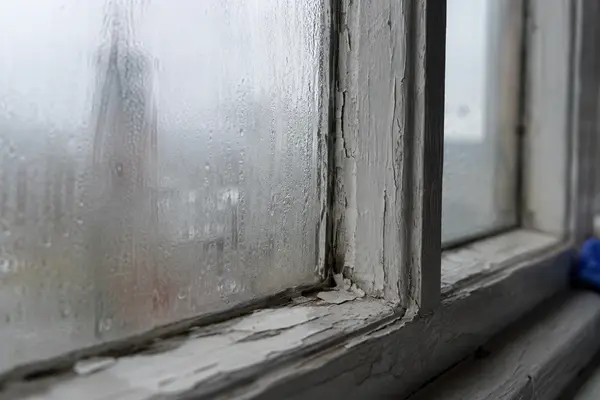
Windows between 15 and 20 years old are typical candidates for replacement, according to This Old House. Most windows overall last 15 to 30 years, per Angi, with vinyl reaching 20 to 40 years and fiberglass 30 to 50 or more.
A single sign does not always mean a full replacement. A broken seal on a solid frame can sometimes be fixed by swapping the glass unit alone, which costs less than a new window.
Material also decides how long a window lasts once it is in place. Vinyl typically holds up for 20 to 40 years, fiberglass for 30 to 50 or more, and wood or aluminum for 15 to 30 years with regular upkeep. If your windows already sit past the top of that range, treat any of the eight signs above as a green light to get a quote rather than another repair.
How to pay less for window replacement
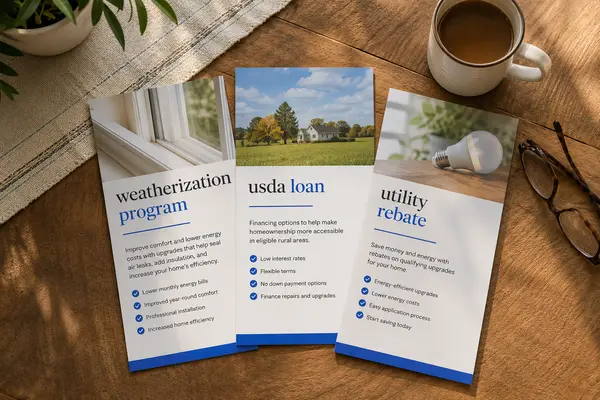
Four kinds of help are real right now: free weatherization, a USDA rural repair loan or grant, a HUD improvement loan, and utility rebates.

The Weatherization Assistance Program is run by the Department of Energy through local agencies, and it seals air leaks, adds weatherstripping and replaces broken glass, with a full window replaced only when the energy audit justifies it. The Department reports average savings of $372 or more every year, and about 32,000 homes are served annually, so apply early.
Note: the federal 25C tax credit for energy efficient windows ended for installations after December 31, 2025. No program hands out free windows to everyone, so treat any ad that claims otherwise with caution.
Two everyday moves also cut the price: replacing several windows in one job lowers the cost per window, and This Old House notes that late fall and winter often bring promotions. Watch financing offers labeled “12 months no interest” closely, since most are deferred interest, and a remaining balance gets charged interest back to day one.
Habitat for Humanity is a fifth option worth a phone call in some areas. Local affiliates run home repair programs with their own income limits and rules, so results vary by city, but it costs nothing to ask whether window work qualifies where you live.
How to start your window replacement
Six steps take you from a foggy window to a signed, fair priced contract.
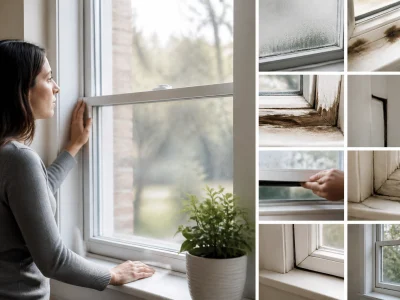
- 1Inspect and count which windows stick, leak air, fog between the panes, or have soft, rotting frames.
- 2Check for free help first by contacting your state weatherization agency before you pay anyone.
- 3Decide repair versus replace window by window, based on the signs in this guide.
- 4Get three installed quotes and ask each company to list material, glass type, labor and disposal separately.
- 5Compare the total cost, not the monthly payment, including financing charges and any confirmed rebate.
- 6Schedule with the calendar in mind, since custom windows take about six to eight weeks to build.
A common mistake is signing the first quote to lock in a same day discount. Take the paperwork home, compare it against the numbers in this guide, and call back the next day.
Window replacement FAQ
Five questions homeowners ask most often before they book an installer.
How much does it cost to replace all the windows in a house?
A whole house project averages $7,348, with a typical range of $3,436 to $11,837, according to Angi and HomeAdvisor. Most 10 to 12 window homes land near $7,000 to $9,000.
Is it cheaper to replace all windows at once?
Usually yes, per window. Crew setup and travel costs are shared across the job, which lowers the price for each individual window compared to replacing them one at a time.
Is it better to repair or replace windows?
Repair a window with a solid frame and a minor issue, since it costs $175 to $600. Replace a window with a rotting frame, a broken seal on an old unit, or that is 15 to 20 years old.
Can I get free windows from the government?
No program gives free windows to everyone. The Weatherization Assistance Program covers a full window only when a free energy audit finds it necessary, and eligibility depends on income.
Is there still a federal tax credit for windows?
No. The 25C energy efficient home improvement credit ended for property placed in service after December 31, 2025. Windows installed before that date can still be claimed on that year’s return.
How long do replacement windows last?
Most windows last 15 to 30 years overall, according to Angi. Vinyl tends to reach 20 to 40 years and fiberglass 30 to 50 or more, while wood and aluminum usually need attention within 15 to 30 years.
More help on CDIN
CDIN exists to translate programs like these into plain language, and window replacement is one small piece of a bigger picture for homeowners on a tight budget.
If windows are only one item on a longer repair list, start with our guide to government home repair grants, which covers the same USDA and HUD programs in more detail. High utility bills alongside an old window can also point to LIHEAP energy bill assistance, a separate federal program for heating and cooling costs. For a broader look at what else you may qualify for, see our overview of how to apply for government grants.
Your next step
Walk your home today and mark every window that shows one of the eight signs above.
Then contact your state weatherization agency before you call an installer, so you know exactly what help you qualify for and what you will pay out of pocket. That order alone can save you thousands of dollars.
Check your weatherization eligibility
Important: this content is informative and independent. CDIN has no relationship, sponsorship or control over the companies and agencies named here. Values and rules can change, so confirm details on the official channels before you sign anything.