How to apply for Lifeline to get free phone with plan
Learn eligibility and steps to apply for Lifeline and choose providers that may include a free phone with plan.
Advertising
How to apply for Lifeline to get free phone with plan
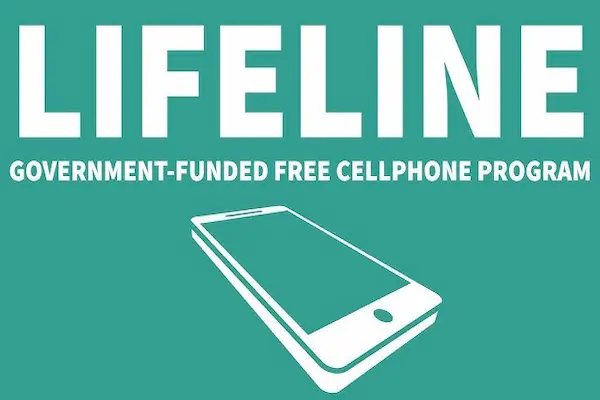
Start by knowing that Lifeline is a federal benefit that lowers the monthly cost of phone or internet service for qualifying households.
The “free phone” part is not guaranteed by the government, because devices are typically offered by participating companies as a promotion.
That’s why the smartest approach is to qualify first, then compare phone services that offer free phones through Lifeline-friendly providers.
Who qualifies for Lifeline
You can qualify based on income or by participating in certain government assistance programs.
In many cases, eligibility is tied to household income at or below a set percentage of the Federal Poverty Guidelines.
Eligibility can also come from programs such as Medicaid, SNAP, SSI, Federal Public Housing Assistance, or Veterans Pension and Survivors Benefit, depending on your situation.
Because requirements can vary slightly in a few states, it’s worth following the official verification steps instead of guessing.
Step-by-step: apply the right way
- Gather basics like your legal name, date of birth, last four digits of Social Security Number (or alternative ID), and your home address.
- Apply through the official Lifeline eligibility system online or by mail, depending on what’s easier for you.
- Upload or mail documents if the system asks for proof, because some applications need manual review.
- Wait for approval, then choose a participating phone or internet company in your area to activate your benefit.
- Complete enrollment with the provider, and confirm you understand the annual recertification requirement.
If you live in states like California, Oregon, or Texas, you may be directed to a state-specific process, so follow the instructions you’re given.
After approval, you can sign up with a provider even if you already have service, because the benefit can often be applied to an existing line.
What documents might be requested
- Income-based applicants may need a recent pay stub, tax return, or benefits statement.
- Program-based applicants may need an award letter, approval notice, or other official proof of participation.
- Address verification may be needed if your mailing address differs from where you live.
If your identity or eligibility can’t be verified automatically, don’t panic, because manual verification is a normal part of the process.
What “get free phone with plan” really means in Lifeline offers
The Lifeline benefit is a monthly discount, not a promise of a specific device model.
Still, many providers structure promotions that make it feel like you get free phone with plan when you enroll and stay active.
Some companies advertise get free phone with new service, and that can include Lifeline enrollment when you qualify.
Other providers focus on SIM-first options, especially if you already have a compatible device and just want reliable service.
So the real question becomes: do you want a device included, or do you want the most flexible plan possible.
Common types of Lifeline-friendly promotions
- A basic smartphone included after enrollment and activation.
- A plan-only discount with a “bring your own device” setup.
- Occasional upgrades that resemble switch plans and get a free iphone offers, but usually with eligibility rules and limited availability.
If you see switch phone plan get free phone messaging, read the fine print, because the deal may depend on staying enrolled and using the line.
When a provider mentions free iphone with plan or new phone plan with free iphone, treat it as marketing first, and confirm what models are actually offered in your state.
In practice, higher-end devices are less common in Lifeline promotions, but some providers run limited-time inventory events.
How to choose a provider without getting trapped by hype
Once you qualify, you’re allowed to choose among participating companies serving your area.
That’s where you compare coverage, data amounts, hotspot policies, and whether the provider includes a phone.
Ignore flashy phrases and focus on what you’ll actually use week to week.
Use this quick comparison checklist
- Network coverage where you live, work, and commute.
- Data limits and speeds, including any throttling policies.
- Whether you’ll receive a phone, a SIM card, or both.
- Any activation requirements, including free activation phone service claims.
- Customer support options, because problems happen at the worst times.
If a provider offers free bring your own phone service, confirm device compatibility before you switch anything.
If you want flexibility, ask whether you can transfer your Lifeline benefit later without penalties.
You can generally change companies, but you should do it carefully to avoid service gaps.
Can you get Lifeline with bad credit or no credit
Many people worry that phone service bad credit will block them from getting help.
In most cases, Lifeline eligibility is based on income or program participation, not your credit score.
However, each provider can have its own account policies, especially for device replacements or optional add-ons.
If you’ve been denied elsewhere, focus on providers that clearly support Lifeline enrollment without credit checks for standard service.
Also consider plan types that rely on a SIM-only setup, because that often reduces friction and expectations.
Prepaid vs postpaid, and where Lifeline usually fits
Most Lifeline wireless options feel closer to prepaid service, even if the provider doesn’t label them that way.
This is why you’ll see terms like mobile phone plans prepaid and monthly prepaid phone plans in the same conversations as Lifeline.
A prepaid-style approach can be simpler, because it avoids surprises and keeps the plan straightforward.
What to know about SIM-based Lifeline options
Some providers ship a sim card unlimited data prepaid style package, but the “unlimited” part may include speed management after certain thresholds.
Even when a plan sounds unlimited, read the policy for video streaming, hotspot limits, and deprioritization.
If you already own a phone you like, a SIM-first plan may give you the fastest start with the least hassle.
That can be especially helpful if you’re comparing best free phone plan deals and realize you actually prefer your current device.
Free month phone service and “first month free” offers
You may run into promotions that promise a free month phone service, especially when providers compete for new enrollments.
Sometimes the language is first month free phone service, and other times it appears as free 1 month phone service.
You might even see variations like 1st month free phone service or one month free phone service in ads and signup pages.
These can be real promotions, but they’re separate from the Lifeline benefit itself.
Before you rely on a first-month offer, confirm what happens in month two and whether any fees appear later.
If a deal requires add-ons, autopay, or a non-Lifeline upgrade, decide whether it still fits your budget long-term.
What about student plans and “unlimited data” deals
If you’re a student, you may be tempted by a student unlimited data plan advertised by major carriers or brands.
That type of plan is usually separate from Lifeline, but you can still compare it as an alternative.
Lifeline is designed for qualifying households broadly, so it doesn’t require student status, and it may be more stable than promotional pricing.
If you need steady service for class, job applications, or telehealth, consistency often beats flashy short-term perks.
Is Lifeline the same as carrier giveaways like “verizonwireless free phones”
It’s easy to mix up Lifeline with big-carrier marketing, such as verizonwireless free phones promotions.
Lifeline is a benefit program, while carrier giveaways are usually tied to switching, financing, or premium plan requirements.
That’s why switch plans and get a free iphone deals often come with trade-ins, multi-line requirements, or long commitment periods.
In contrast, Lifeline aims to reduce the monthly cost for eligible households and keep access available.
If you see new phone plan with free iphone offers, treat them as a different category than Lifeline unless the provider explicitly participates and explains how it applies.
How to avoid common mistakes during signup
Most application problems come from small details, not big disqualifiers.
A mismatched address, a missing document, or a nickname instead of your legal name can slow everything down.
Follow these practical tips
- Use your legal name exactly as it appears on government documents.
- Double-check your address format, including apartment numbers and directional letters.
- Submit clear photos of documents, with all corners visible and text readable.
- Keep copies of what you uploaded or mailed for your records.
- After approval, enroll with your chosen provider promptly so the approval doesn’t expire.
If you need help, official support channels can guide you through verification and enrollment steps.
Keeping your Lifeline benefit active after approval
Approval is the start, but staying enrolled is what keeps your service stable.
You’ll need to complete recertification when requested, usually once a year.
You also must use your service regularly, because non-usage rules can cause de-enrollment depending on provider policy and program rules.
If you move, update your address, because household status and eligibility checks depend on correct information.
If you want to switch providers later, you can usually transfer your benefit, which can be useful if coverage or support isn’t meeting your needs.
Putting it all together: your simplest path to success
First, qualify through the official process, because that’s the foundation for everything else.
Next, compare providers in your area based on coverage and plan details, not just headlines.
Then, choose whether you prefer a device offer or a bring-your-own approach, depending on what feels more reliable for you.
Finally, keep your account in good standing, respond to recertification, and stay consistent with usage so you don’t lose the benefit.
If your goal is to get free phone with plan, the most realistic strategy is qualifying first and then selecting a provider that includes a device promotion where you live.
That approach keeps you in control, protects your budget, and helps you avoid confusing offers that don’t actually apply to your situation.